
To Buy Antabuse Online Visit Our Pharmacy ↓
 Antabuse Interactions: Medications and Foods to Avoid
Why Alcohol Is Only One Dangerous Interaction
When I started Antabuse, I imagined only parties and drinks would be risky, but the reality is quieter and stranger. Everyday remedies, mouthwashes and hidden alcohol in cough syrups can trigger sickness or worse. Awareness changes how you read labels and follow your Sig.
Some prescriptions and common OTC products amplify reactions; antidepressants, topical gels and even small doses deserve respect.
| Category | Examples |
|---|---|
| Meds | Happy Pills |
| Topicals | Mouthwash lotions |
Pharmacists call these interactions a cocktail: they amplify side effects like flushing, drowsiness or dangerous cardiac changes. Ask your pharmacist and read labels to avoid scary surprises.
Practical steps help: keep a printed list of your medications, store temperature-sensitive meds properly and tell every provider about current treatments. Small habits prevent Antabuse from becoming a medical nightmare. Check labels before each use. Carry an up to date list during pharmacy visits.
Hidden Alcohol Sources You Might Overlook Everyday
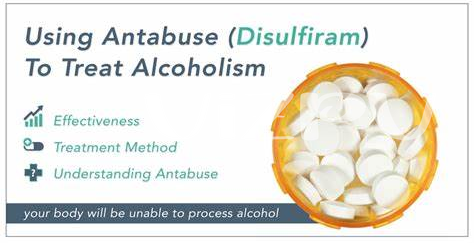
One morning I swished a minty rinse and suddenly felt dizzy; common mouthwashes and magic mouthwash can contain alcohol and trigger reactions with antabuse, so treat rinses like drinks.
Hidden sources lurk in cough syrups, elixirs, salad dressings, and flavor extracts; even some OTC topical gels or cooking wines have enough ethanol to produce uncomfortable symptoms.
Check labels, ask your pharmacist, and avoid accidental exposure by storing fragranced hand sanitizers and fermented foods away; disclosure keeps treatment safe and prevents an unexpected antabuse reaction in public pockets and purse straps.
Common Medications That Intensify Disulfiram Side Effects
When you start antabuse, the story doesn't end with alcohol—many everyday prescriptions can amplify unpleasant effects. Drugs that depress the central nervous system—benzodiazepines, opioids and some anticonvulsants—can cause exaggerated drowsiness and confusion when metabolism is altered by disulfiram. Blood-thinners and seizure medications may reach higher levels, raising bleeding or toxicity risk, so clinicians watch INR and drug levels closely. Warfarin, phenytoin and tricyclic antidepressants are classic examples that may require monitoring.
Even over‑the‑counter remedies and 'Happy Pills' deserve attention: some OTC cough syrups contain alcohol or interact indirectly, while certain antidepressants and antibiotics can add side effects or neurotoxicity. Always tell the prescriber and pharmacist you take antabuse, carry a med list, and ask about alternatives before starting a new Rx or OTC. A quick 'Meds Check' keeps therapy safe and avoids scary surprises. Don't ignore subtle new symptoms either.
Herbal Supplements and Topicals That Cause Problems
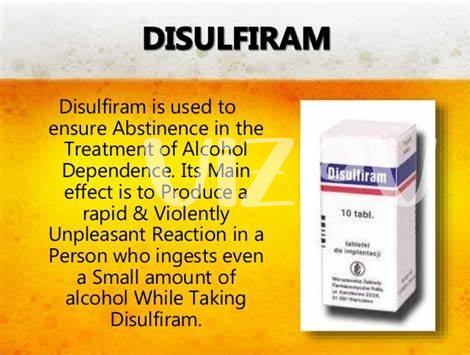
I once watched a friend mistakenly sip a herbal tincture, not knowing antabuse reacts with alcohol-based extracts like those in elixirs and topicals.
Mouthwashes, rubbing alcohol, aftershaves and some liniments can cause flushing, nausea, and tachycardia when combined with antabuse; read labels carefully and avoid them.
Herbs like kava, valerian and St. John's wort may increase sedation or interact unpredictably; avoid alcohol-containing Elixir products and OTC tinctures altogether.
Always tell your pharmacist and doctor you're on antabuse, ask for clear Sig instructions, and store tinctures separately to prevent accidental exposure.
Interactions with Antibiotics Antifungals and Other Drugs
Taking antabuse means many common antibiotics and antifungals aren't harmless. Metronidazole and tinidazole can trigger intense nausea and flushing, and azoles may raise disulfiram toxicity by altering liver metabolism. Always treat new scripts cautiously.
Even a quick Z-Pack can complicate matters indirectly; interactions often come from shared enzyme pathways or QT effects. Overlapping side effects—dizziness, sedation, abnormal heart rhythm—can be mistaken for relapse.
Other drugs, including some antidepressants and blood thinners, can be affected when antabuse changes hepatic enzymes. Ask your pharmacist or show your Rx - Prescription label before starting anything.
Check OTC - Over The Counter remedies and tell a Pharm Tech - Pharmacy Technician about antabuse. When in doubt, pause new meds.
| Drug class | Example | Potential risk |
|---|---|---|
| Antibiotic | Metronidazole | Disulfiram-like reaction |
| Antifungal | Fluconazole | Increased toxicity via CYP inhibition |
| Other | Warfarin | Altered INR, bleeding risk |
Practical Tips for Avoiding Accidental Alcohol Exposure
A small mistake can have big consequences; I once rinsed with a medicated mouthwash and learned to read labels like a detective, double check.
Check ingredient lists for ethanol or alcohol on all products — shampoos, cough syrups, flavored Elixir and household hand sanitizers; even some OTC items contain enough alcohol to react.
Ask your pharmacist for a medication review before starting new treatments, mention any prescription sensitivities, and regularly carry a medication list to prevent dangerous surprises.
Store products away from food, lock refrigerated meds and clearly label partial bottles; when in doubt, call your pharmacist and verify the label info — a quick phone check can prevent a hospital trip and keep records.
