
To Buy Artvigil Online Visit Our Pharmacy ↓
 Microdosing Artvigil: Pros, Cons, and Evidence
What Low-dose Wakefulness Enhancers Do to Productivity
On low doses, a measured boost sharpens early-morning momentum: less mental drift, quicker task initiation, and fewer micro-distractions. People describe a steady, non-jittery wakefulness that feels like turning up focus a notch without full stimulant highs.
Objective gains often appear on routine or creative workflows: sustained attention, crisper prioritization, and faster editing. Effects are subtler than classic amphetamine speed, and overlap with improved mood—some liken it to milder 'Happy Pills' or an efficient Rx tweak, not a cognitive cure-all.
| Effect | Typical change |
|---|---|
| Alertness | Modest increase |
| Focus | Improved consistency |
These modest boosts can compound into meaningful productivity over weeks, but benefits vary by baseline sleep, mood, and task type. Monitor sleep and tolerance, avoid mixing with other stimulants, and view microdosing as an experimental workflow tool rather than a replacement for discipline or adequate rest. Track metrics and reassess regularly; iterate.
Surprising Focus Boosts and Mood Modulation Claims
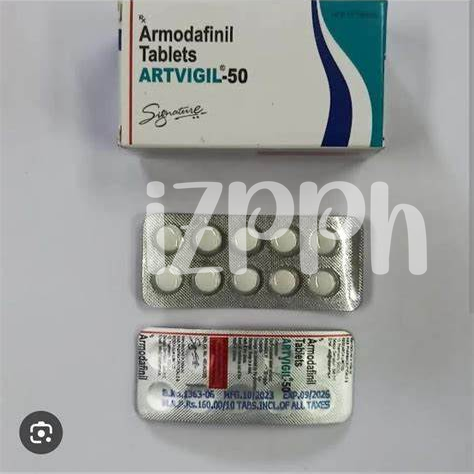
During a deadline week I experimented with tiny artvigil doses and felt an understated clarity: tasks seemed less noisy, transitions smoother, but not euphoric. Energy felt steady, not jittery, and manageable overall.
Reports from forums claim mood lifting and micro-joys similar to 'Happy Pills,' though anecdote-driven claims often lack controls. Community anecdotes conflate expectation with effect, biasing reports.
Lab studies offer mixed results; some cognitive tasks improve modestly, while subjective well-being varies by person, expectation, and context. Objective measures and placebo trials remain sparse; interpret cautiously.
If considered, treat artvigil like an Rx—track doses, set clear goals, and monitor sleep and appetite to avoid subtle harms. Documenting mood ratings and cognitive tests gives clearer feedback.
Known Risks, Side Effects, and Safety Concerns
Users report clearer mornings and focus with artvigil, cast as a gentle productivity tweak.
Even low amounts can trigger anxiety, insomnia, jitteriness, elevated heart rate and appetite changes. Rarely, severe outcomes such as psychosis, seizures, or dangerous blood pressure spikes have been reported, especially with misuse or predisposition factors.
Interactions with other drugs and preexisting cardiovascular or psychiatric issues magnify risk; long term effects remain underresearched.
Talk to your clinician, get a proper Rx, choose reputable generics, start slow, track sleep and mood, and stop stat if concerning signs emerge.
What Current Science Actually Shows So Far
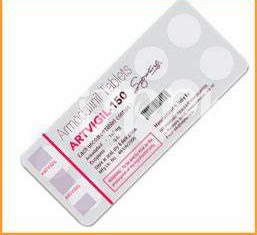
In practice, people chasing mild cognitive gains report subtle benefits with artvigil, but high-quality data are scarce. Most evidence comes from small trials of modafinil-like stimulants, case reports, or user surveys rather than rigorous randomized controlled trials, so drawing firm conclusions is premature.
Safety signals—sleep disruption, headaches, and cardiovascular effects—are better documented, and mechanistic studies show wake-promoting action on dopamine and orexin pathways. Evidence for microdosing specifically is anecdotal and lacks controlled dose–response data; any off-label use should be approached cautiously.
Clinicians emphasize informed consent, baseline screening, and slow titration; never substitute online-sourced generics for an Rx without verification. Ongoing research is needed; until then, microdosing claims remain provisional and require close monitoring by clinicians.
Legal Status, Sourcing, and Quality Control Issues
When you look at artvigil on forums and marketplaces, legal ambiguity and import rules loom large. Some countries require an Rx while others tolerate personal imports; users report mixed experiences with customs and delivery.
Sourcing from overseas vendors raises questions about true composition: labeled Generics may not match advertised potency, and counterfeit compounds circulate. Without regulated labs, quality varies and claims are hard to verify.
Simple harm-reduction steps help: batch testing, third-party certificates, and avoiding sketchy deals.
| Check | Action |
|---|---|
| Certificate | Verify lab |
| Origin | Confirm supplier |
Talk to a clinician rather than a Candyman or forum-only advice; keep records, report adverse events, and consider legality before ordering. Start low, document effects, and review local rules periodically.
Practical Dosing Strategies, Harm Reduction, and Monitoring
Start with curiosity, not bravado: many users begin at a fraction of a full dose and keep a notebook of effects, timing, and sleep. Treat any wakefulness agent as an Rx to be respected and documented. Keep emergency contacts and allergy information accessible in case of unexpected reactions.
Slow titration matters; increase in tiny steps only after several days of stable response. Watch for creeping insomnia, jitteriness, or mood shifts, and stop if red flags appear.
Combine objective measures — timers, step counts, and brief cognitive tests — with subjective mood ratings. Regular check-ins with a clinician or pharmacist help spot interactions and adjust plans. Use simple charts and send periodic summaries to a trusted clinician monthly.
Store meds safely, avoid sharing, and skip risky social scenes like Pharm Party mixing. If problems arise, seek immediate advice rather than chasing larger doses.
