
To Buy Colchicine Online Visit Our Pharmacy ↓
 Colchicine in Pericarditis: a Game Changer? — Evidence, Dosing, Relapse Prevention Strategies
Why Colchicine Transformed Pericarditis Treatment Paradigms
An old therapy mindset yielded long hospital stays and repeated flares; a simple anti-inflammatory shifted expectations. Clinicians embraced a targeted agent that shortened symptom duration and lowered relapse rates, changing patient experience and follow up.
Randomized trials showed consistent benefit, reducing recurrences and steroid dependence. This evidence reshaped guidelines and prescribing patterns, turning the drug into a standard part of many clinicians' Rx.
| Benefit | Impact |
|---|---|
| Reduced recurrence | Fewer hospital visits |
Practical use emphasized tolerability, clear Sig, and monitoring for interactions, especially with CYP3A4 inhibitors. Many appreciate low cost as Generics became widely available, improving access. Education about expected side effects and adherence helps prevent relapse and reduces reliance on steroids and hospitalization in real-world practice
Key Randomized Trials Proving Colchicine’s Effectiveness
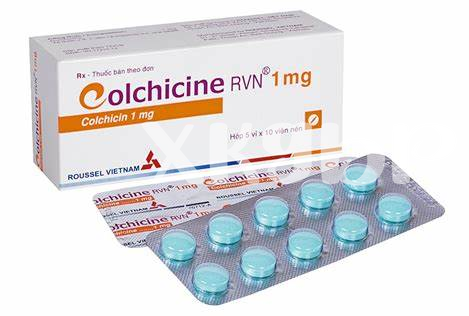
Randomized trials by Imazio and others evaluated colchicine in acute and recurrent pericarditis, comparing colchicine plus standard antiinflammatory therapy versus control. These studies provided robust evidence that changed bedside decision-making worldwide and reduced recurrence rates.
Landmark trials—COPE, CORE, ICAP, CORP and CORP‑2—consistently showed fewer recurrences and faster symptom resolution with colchicine. Randomization, placebo or active comparators, and reproducible benefit across subgroups strengthened confidence in colchicine therapy and informed guidelines globally.
Beyond recurrence, trials demonstrated shorter symptom duration, reduced corticosteroid dependence, and improved quality of life. Effect sizes were clinically meaningful, and intention-to-treat analyses reinforced consistency. Translating trial protocols into everyday Rx strengthened uptake and trust.
These randomized trials shifted practice: colchicine became standard adjunct for patients, reducing relapses and hospitalizations. Ongoing research refines duration, safety, and special populations; clinicians now apply trial learnings quickly, with Stat-like onset and durable benefit.
Optimal Dosing Strategies Across Different Patient Populations
Colchicine revolutionized care by reducing symptoms and relapses; dosing must be individualized based on acuity, weight, comorbidities, and whether used with NSAIDs or corticosteroids. Early initiation improves outcomes and shortens time to symptom relief rapidly.
Typical adult dosing ranges from 0.5–1.0 mg daily depending on tolerability and body mass; many clinicians start an Rx with 0.5 mg twice daily for three days then 0.5 mg daily, adjusting for side effects.
Older patients, those with low body weight, or creatinine clearance under 30 mL/min require dose reduction or interruption; titration minimizes gastrointestinal intolerance. For pediatric cases dosing is weight-based and guided by specialist consultation and monitoring.
Duration varies: acute pericarditis typically three months, recurrent disease six to twelve months; monitor for myotoxicity, cytopenias, and interactions with CYP3A4 or P-gp inhibitors. Reinforce adherence, check drug lists, and follow-up with periodic clinic reassessment.
Safety Profile, Drug Interactions, and Monitoring Essentials

Colchicine changed pericarditis care by reducing flares and steroid dependence, and clinicians now weigh benefits against tolerability. Early gastrointestinal upset is common, but serious toxicity is rare when dosed appropriately.
Renal or hepatic impairment calls for dose adjustments and vigilance; interactions with strong CYP3A4 and P-gp inhibitors raise toxic risk. Always review the patient’s Rx - Prescription list to avoid dangerous combinations.
Monitor symptoms, blood counts, and creatinine periodically; educate patients to report diarrhea, neuromyopathy, or unusual bruising. Adjust therapy in the elderly and those with high pill burden to improve adherence.
Practical monitoring combines baseline labs, scheduled follow-up, and clear Sig for dosing, plus communication with pharmacy and quick action if red flags emerge.
Strategies to Prevent Relapse and Recurrence with Colchicine
Patients who respond to colchicine often fear relapse; clear communication, early tapering of anti-inflammatories, and strict adherence improve outcomes. Personalizing duration based on response, using colchicine with low-dose NSAIDs or aspirin, and addressing comorbid triggers reduces recurrence. Counsel on side effects and adherence to Rx.
Longer courses (three to six months) suit recurrent cases; weight-based dosing, renal adjustments, and reducing Pill Burden by simplifying co-therapy help sustain remission. Monitor for gastrointestinal intolerance, interactants including CYP3A4 inhibitors, and consider specialist referral for steroid-dependent patients to prevent chronicity and schedule regular follow-ups.
| Key | Tip |
|---|---|
| Adherence | Med Rec and follow-up |
Practical Clinical Algorithms for Real-world Colchicine Use
Begin with a simple, stepwise approach: confirm acute or recurrent inflammation, assess hemodynamics and effusion size, then initiate anti-inflammatory therapy alongside colchicine. Prescribe weight- and renal‑adjusted dosing and provide a clear Rx with an explicit Sig for adherence and duration. For first episodes give colchicine for three months; for recurrences consider six months or longer based on response and risk factors.
Schedule early follow-up to monitor gastrointestinal intolerance, liver and renal tests, and drug interactions; use careful titration for elderly or low‑bodyweight patients and stop if severe toxicity emerges. Address polypharmacy, advise against unnecessary OTC NSAIDs, counsel on pregnancy and severe renal disease, and document relapse plans. Practical, reproducible checklists and shared decision making improve adherence and reduce emergency returns. Coordinate with pharmacy for generics, support prior auth, perform Med Rec, and simplify regimens to reduce pill burden and costs.
