
To Buy Finasteride Online Visit Our Pharmacy ↓
 Finasteride Vs Minoxidil: Which Wins?
Mechanisms of Action: Hormones Versus Blood Flow
I remember the first time I learned why two popular treatments feel so different: one quietly shifts hormonal signals at the root, while the other wakes dormant follicles by improving local circulation. That contrast explains why outcomes and timelines diverge.
The hormone-focused option reduces dihydrotestosterone levels by blocking the enzyme that converts testosterone, slowing miniaturization of follicles. The circulation-focused option is a vasodilator that increases oxygen and nutrient delivery and may prolong growth phases.
Clinically, this means one can produce measurable density improvements by altering hormonal signaling over months, while the other often shows scalp-level thickening sooner but requires continuous topical use. Choice depends on pattern of loss, tolerance for systemic effects, and willingness to stick to a regimen; many achieve best results by understanding these distinct biological levers and combining approaches under medical guidance with monitoring and realistic expectations.
| Finasteride | Minoxidil |
|---|---|
| Inhibits 5‑alpha reductase, lowers DHT | Vasodilator, may open potassium channels |
| Oral, systemic effects | Topical, local action |
| Slows follicle miniaturization | Promotes blood flow and growth phase |
Real World Effectiveness Hair Density and Growth
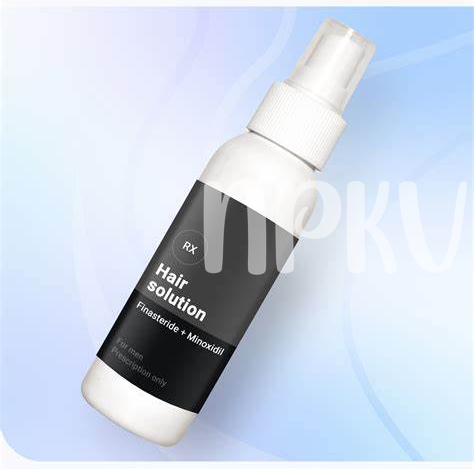
Patients often describe regrowth as a slow reveal: thin patches filling with finer, shorter hairs, then thickening. These personal narratives align with trials, though final density depends strongly on genetics, timing, and consistent adherence patterns.
Clinical studies show finasteride stabilizes hair loss and increases scalp hair counts, particularly in vertex and frontal regions, while topical agents improve follicle activity. Population response rates range; many achieve measurable gains within months typically.
Density increases measured by follicular units per square centimeter often correlate with visible improvement, but individual perception matters. Younger patients and those with higher baseline follicles tend to reach meaningful results faster than older counterparts.
Realistic expectations emphasize maintenance: gains require ongoing adherence and monitoring, and stopping therapy often returns hair to baseline within a year. Discuss goals with your clinician to balance benefits, side effects, and long-term care plans.
Side Effects and Safety Long Term Considerations
Many users start treatment hopeful, but the journey includes trade-offs. finasteride can halt hair loss by lowering DHT, yet some men report sexual side effects and mood changes. These effects are uncommon but important to monitor with a doctor.
Topical minoxidil often causes scalp irritation, itching, or unwanted facial hair; systemic risks are rare. Long-term safety data extend decades for both treatments, but vigilance matters: report persistent problems early and reassess therapy if side effects impact quality of life.
Regular checkups, baseline labs when appropriate, and informed consent help balance benefit versus risk. For many, the hair regained justifies the commitment, but individuals should weigh fertility, mental health, and personal priorities before continuing long term.
Speed and Commitment Daily Routines Versus Patience
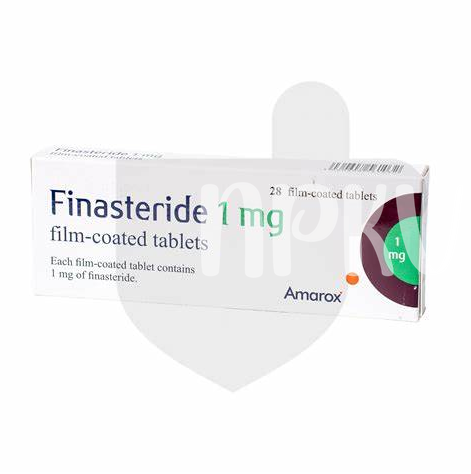
Starting a hair-regrowth plan feels like planting a garden: finasteride is the steady fertilizer, once-daily and out of sight, while topical treatments demand daily watering. Results don’t rush in — most users see measurable change after three to six months, with optimal gains at twelve. Consistency matters more than intensity; skipping doses undermines long-term outcomes.
Patience is the unsung ally: maintain a simple routine and track progress with photos every month. Temporary shedding can appear early and does not signal failure. For many, the daily commitment becomes effortless after a few weeks, but medical follow-up ensures safety and tailoring. Long-term success hinges on adherence, realistic goals, and occasional reassessment with your clinician and lifestyle adjustments.
Combining Therapies Synergy Risks and Best Practices
Combining topical and oral treatments can feel like assembling a personalized toolkit: I started with a topical to coax dormant follicles and added finasteride to curb hormonally driven shrinkage. Clinical logic supports pairing mechanisms, improved blood flow plus lower DHT often produces thicker, more resilient hair than either alone. Patients report additive gains, especially when early intervention preserves follicle potential.
Risks exist: combining agents raises the chance of irritation and complicates side effect attribution, so baseline assessments and periodic follow up are essential. Start one treatment, document changes, then add the second after several months to judge effect. Use recommended doses, protect the scalp barrier, and report sexual or mood changes promptly. For most, the reward of denser hair outweighs inconveniences when therapy is supervised. Consider blood tests and photographic records to track progress. Consult a clinician for individualized plan.
| Therapy | Primary Effect |
|---|---|
| Topical | Stimulates follicles and improves scalp blood flow |
| Finasteride | Reduces DHT to prevent follicle miniaturization |
Choosing What Fits You Cost Lifestyle Goals
Imagine standing at a pharmacy counter weighing a prescription bottle against a foamy topical in your palm; your choice should consider budget, daily routine, and long-term goals. Finasteride often wins on cost-effectiveness for preserved density but requires prescription and monitoring, while minoxidil is accessible over-the-counter and flexible in application yet may need ongoing purchases to maintain results.
Lifestyle matters: shift workers, athletes, or frequent travelers may prefer a pill with once-daily dosing, whereas someone who enjoys a morning grooming ritual might adopt topical applications more easily. Discuss expectations with your clinician, factor insurance coverage and follow-up needs, and choose the option that fits your habits—risk tolerance and aesthetic priorities—so adherence becomes the driver of success.
