
To Buy Flomax Online Visit Our Pharmacy ↓
 Flomax Interactions: Drugs and Food to Avoid
Prescription Partners That Dangerously Drop Your Blood Pressure
I remember a patient who left the clinic dizzy after picking up an Rx and a new refill; a harmless-seeming cocktail of meds knocked her balance. Sudden lightheadedness tells a common story: additive blood-pressure effects can hit fast, especially in older adults.
Watch for dangerous pairs: nitrates with phosphodiesterase inhibitors, multiple antihypertensives combined (ACE inhibitors, ARBs, diuretics, beta blockers), and antidepressants that affect blood pressure. Drug interactions may be subtle, so list every Rx to your clinician and avoid ad hoc changes; pharmacists perform Meds Check to flag red flags.
If you feel faint, sit or lie down and call your provider stat. Bring a complete medication list, including over-the-counter products and supplements, to visits. Never mix new drugs without confirmation; small dose adjustments or timing changes often prevent dangerous drops in pressure.
| Drug | Risk |
|---|---|
| Nitrate | Severe |
| ACE inhibitor | Moderate |
Over-the-counter Medicines and Supplements to Avoid Together
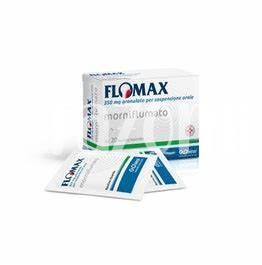
Morning routine stories teach a lesson: taking supplements with flomax can cause dizziness and blurred thinking, not mere coincidence.
Many people grab OTC pain relievers or herbal boosters without checking interactions, which raises bleeding or blood-pressure danger.
Antidepressants, often called Happy Pills, plus alpha-blockers may amplify sedation, urinary retention, or fainting; avoid mixing without advice.
Carry a concise medication list, tell your doctor about vitamins and probiotics, and seek immediate care if severe dizziness, chest pain, or fainting happens. Do not stop any Script without your prescriber's guidance; call first.
Alcohol and Recreational Drugs: Amplifying Dizziness and Falls
One evening I swayed unexpectedly after a drink; flomax had lowered my blood pressure more than I expected that night.
Mixing with other sedatives, recreational substances or even OTC cold remedies dramatically increases dizziness, impairs balance, and raises fall risk at home.
Combining alcohol with Happy Pills or opioids causes sedation plus orthostatic hypotension; small steps can become dangerous, especially when getting up quickly from a chair.
If dizziness or fainting occurs, sit or lie down, stop activity, and call your prescriber stat or seek emergency care for immediate assistance.
Grapefruit and Dietary Culprits Affecting Drug Levels

A neighbor proudly told me his Rx felt harmless until a breakfast of grapefruit juice sent him dizzy. Many drugs—tamsulosin (flomax) included—can spike when grapefruit blocks liver enzymes.
Beyond grapefruit, Seville oranges, starfruit and certain herbal OTC extracts alter CYP3A4 or transporters, raising risks of exaggerated blood pressure drops, fainting, or toxic effects in sensitive adults.
Ask your White Coat pharmacist for specific advice, check drug labels and avoid juice or supplements near dosing; small diet changes can prevent big problems with medications like flomax, especially when older or frail.
Timing and Dosing Tips to Minimize Interaction Risks
A brisk morning routine can help steady direct dosing and reduce surprises with flomax. Small timing tweaks improve tolerance.
Follow your Rx - Prescription label, check the Sig - Directions on a prescription, and avoid doubling doses if you miss one. Don’t stop or change an Rx without checking; sudden shifts increase risk.
Coordinate with your Pharm Tech or clinician about other drugs that cause low blood pressure or sedation; spacing doses by hours often lowers interaction risk. Stagger sedating meds and blood pressure drugs, and document times on a log.
Keep a simple log, ask about generics and timing changes when your Sig changes, and call if dizziness, fainting, or extreme lightheadedness occur now.
| Tip | Wait |
|---|---|
| Stagger doses | 8 hrs |
When to Call Your Doctor or Seek Help
If you experience sudden severe dizziness, fainting, chest pain, or difficulty breathing, seek emergency care Stat; these can signal dangerous low blood pressure or an allergic reaction. Have your current meds list ready, including any OTC items.
For persistent lightheadedness, confusion, or a rapid heartbeat following new or changed medications, call your clinician. Describe timing, dose changes, and the directions on any recent prescriptions to help them triage and advise whether to pause therapy.
If you suspect an accidental overdose, mixing with alcohol, or striking imbalance after combining supplements, go to the ER or call emergency services. Bring all pill bottles and a medication list, and note when symptoms began and any recent fills.
If unsure, contact your pharmacist or clinician for a quick medication review; document changes and seek immediate care if symptoms worsen or unexpected red flags develop.
