
To Buy Ivermectin Online Visit Our Pharmacy ↓
 Ivermectin and Covid-19: Sorting Science from Hype - Review Studies, Regulatory Positions, Misinformation Impacts
Laboratory Findings Versus Clinical Real World Evidence
Bench experiments showed that the drug inhibited viral replication at high concentrations, prompting hope and off-label prescribing in some settings. But laboratory potency often required levels unattainable in humans without toxic doses, and pharmacokinetic realities—protein binding, tissue distribution, formulation stability—limited translation. Early enthusiasm led to informal shared regimens and an Rx-driven demand that outpaced evidence.
Randomized trials and observational cohorts gave mixed results: small, underpowered studies or biased observational analyses contrasted with larger, better-controlled trials that found no clear benefit for treatment or prevention.
| Lab | Clinical |
|---|---|
| In vitro inhibition | No consistent benefit |
Major Randomized Trials and Meta Analyses Reviewed
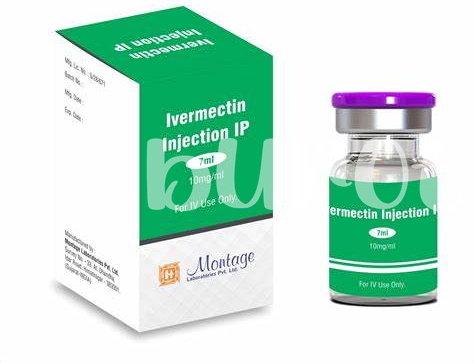
Large randomized trials sought to settle whether ivermectin reduced Covid-19 progression, enrolling diverse populations and using placebo controls. Early small studies hinted at benefit, but many were underpowered or had methodological flaws.
Subsequent meta-analyses pooled heterogeneous trials; some showed modest signals while higher-quality trials did not. Authors emphasized that pooling low-quality data can skew results, and regulatory agencies prioritized well-conducted randomized evidence over observational reports. Mortality benefits were inconsistent across studies.
Clinicians faced pressure as patients requested off-label Rx or bought generics online; prudent practice requires following robust trial data, avoiding unproven cocktails and reporting adverse events to maintain trust. Shared decision-making and enrollment in clinical trials remained the best path forward for many patients.
Regulatory Bodies' Positions and Global Guidance Evolution
Regulators worldwide moved from early curiosity to clear caution as trial data accumulated: some agencies issued warnings against routine use of ivermectin outside clinical trials, while others limited compassionate use or withdrew emergency endorsements. Agencies emphasized robust randomized evidence, pharmacovigilance reports and supply protections to prevent improper diversion from standard care or shortages of essential medicines.
Guidance also addressed prescribing pathways and messaging: some regulators clarified that an Rx - Prescription should be based on evidence, discouraged OTC self-medication and urged clinicians to follow formulary and DUR processes. The public debate changed policy timelines, highlighting cost of misinformation and the importance of clear updates so clinicians and patients can act with facts rather than anecdotes.
Safety Concerns, Dosing Myths and Drug Interactions

Early in the pandemic, anecdotes of people self-medicating with ivermectin flooded clinics, forcing clinicians to manage both real toxicity and misplaced hope. Stories of pharmacy drive-thru requests or patients demanding an Rx for non-evidence uses highlighted how scarcity, rumor and fear drove dangerous behavior and muddied clinical assessment rapidly evolving.
Dangerous dosing myths — taking veterinary formulations or supra-therapeutic quantities — led to nausea, neurologic effects and hepatic strain; combinations with statins, anticoagulants or opioids risked interactions. Emergency departments saw higher admissions for toxicity, while evidence failed to support routine prescribing outside trials or regulated contexts.
Clinicians should prioritize medication reconciliation, report adverse events and explain that OTC remedies are no substitute for vetted therapies. Use poison control lines, consult pharmacists and apply shared decision-making before writing any off-label treatments; preserve trust by being transparent about uncertainties and harms promptly.
How Misinformation Spread Fueled Public Demand
Rumors traveled faster than data early in the pandemic, turning anecdotes into urgency. Social posts amplified single studies, and charismatic voices promised easy answers. Many reached for ivermectin before evidence matured.
Patients demanded medicine like a hard sell; clinics fielded calls for a Hard Copy or off-label Script, while some prescribers became folk heroes. Misinformation created clinic crowding and pharmacy strain.
Networks and algorithms prioritized outrage over nuance.
| Source | Impact |
| Social | High |
Clinicians must counter claims with clear evidence, candid risk explanations, and timely DUR checks. Public health messaging should emphasize trials, adverse events reporting, and safer alternatives; restoring trust reduces panic prescriptions and inappropriate self-treatment that drove shortages and harm during early ivermectin fervor and globally now
Practical Takeaways for Clinicians and Concerned Public
Clinicians should prioritize evidence: rely on randomized trials, robust meta-analyses and guideline updates rather than laboratory anecdotes; reserve off-label Rx decisions for well-documented indications, obtain informed consent, and report outcomes to registries. Use monitoring tools, adverse event reporting and multidisciplinary discussion when considering experimental therapies.
Communicate clearly with the public—explain why OTC or unproven compounds lack proven benefit, outline safety risks and drug interactions, discourage self-treatment, and redirect concern toward vaccination, timely testing, symptom monitoring, and seeking care when deterioration occurs. Encourage proven Generics, cite reliable sources, and offer follow-up.
