
To Buy Tizanidine Online Visit Our Pharmacy ↓
 Tizanidine Dosing Guide: Timing and Titration Tips
Understanding Tizanidine How It Works and Effects
I remember the patient I explained tizanidine to: an athlete whose tight hamstring softened after a low dose. Tizanidine is an alpha two adrenergic agonist that reduces spasticity by inhibiting presynaptic motor neurons, calming overactive reflexes without direct muscle blockade.
Effects often begin within thirty to sixty minutes, producing tone reduction and drowsiness; blood pressure and heart rate can fall, so monitor early. Duration is usually short, prompting multiple daily dosing for sustained relief, but peaks may impair driving or operating machinery.
Prescribers tailor an Rx with cautious titration, often starting low and spacing increases to balance relief and sedation. Consider generics, interactions, and patient counseling and follow-up.
| Effect | Onset |
|---|---|
| Sedation | thirty to sixty min |
Optimal Timing Strategies for Daytime and Nighttime Doses

A morning tizanidine dose can ease muscle spasm during active hours, but timing matters: take it after a light meal to reduce dizziness and avoid driving until you know individual response. Discuss goals with your clinician and review the Rx.
Evening dosing often targets sleep-disrupting spasticity; spacing from other CNS depressants and alcohol reduces additive sedation. Follow the Sig for spacing from meals and bedtime, and consider a smaller nighttime dose if daytime function suffers.
Keep a brief log of onset, peak effect and daytime sleepiness to fine-tune timing. When uncertain, favor conservative timing and doses, and consult your pharmacist or prescriber for tailored adjustments. Regular Meds Check helps detect interactions early and prevents surprises.
Safe Starting Doses and When to Increase
Begin tizanidine therapy with a low dose to assess tolerance — many clinicians start at 2 mg in the evening and observe for drowsiness, hypotension, or dizziness. Counsel patients to expect effects, avoid alcohol, and present their Rx and Sig to the pharmacist for filling.
Increase dosage cautiously, often by 2 mg increments every 3–7 days while monitoring blood pressure, sedation, and labs. Avoid CYP1A2 inhibitors and limit total daily dose per guidance. Older adults or those with hepatic or renal dysfunction need slower titration and close follow-up with prescriber.
Titration Schedules to Minimize Side Effects Risk
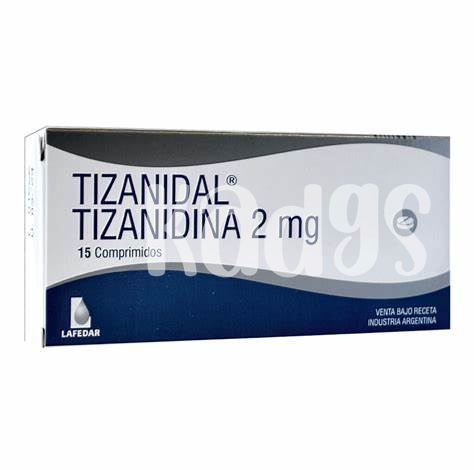
Begin with a story: a cautious patient filled an Rx and learned to start low. With tizanidine, keep records, follow the Sig, and expect gradual adjustments with provider guidance regularly.
Typical plan increases dose slowly every few days, pausing to assess blood pressure, sedation, and function. Collaborative titration with clinician input reduces abrupt changes and adverse events and improves safety.
If drowsiness, hypotension, or dry mouth appears, slow the climb or revert to prior dose. Keep a diary, report symptoms promptly, avoid alcohol, and schedule Meds Check follow-up with provider.
Recognizing and Managing Common Adverse Reactions Early
Start by watching for subtle changes after beginning tizanidine: lightheadedness, excessive drowsiness or dry mouth often appear first. Keep a log and tell your prescriber about patterns; if you receive a Script - Prescription, review the Sig - Directions on a prescription to spot dose trends.
If symptoms worsen, stop; seek help Stat - Immediately for severe hypotension, hallucinations or fainting. Mild effects improve with dose reduction, timing changes, or spacing from other CNS depressants. Pharmacists can assist with meds check and alternatives; document responses so future titration is safer.
| Sign | Action |
|---|---|
| Drowsiness | Reduce dose / adjust timing |
| Hypotension | Hold dose, seek care |
Special Populations Renal Hepatic Considerations and Interactions
Imagine handing a patient their first Rx and explaining why kidney and liver checks matter; tizanidine’s clearance depends heavily on hepatic metabolism, so liver dysfunction raises exposure and risk.
In moderate impairment dose reduction and slower titration help; in severe hepatic disease avoid use or consult a specialist. Renal impairment may alter elimination modestly, prompting closer monitoring.
Watch for interactions: ciprofloxacin and fluvoxamine markedly increase tizanidine levels via CYP1A2 inhibition, producing profound sedation and hypotension. Avoid combining with alcohol or other CNS depressants.
Counsel patients about dose changes, encourage medication reviews and Meds Check when starting therapy, and consider cost-effective Generics if available to improve adherence and safety. Report any unusual symptoms promptly to clinicians.
