
To Buy Augmentin Online Visit Our Pharmacy ↓
 Understanding Augmentin's Role in Treating Respiratory Infections
Exploring Augmentin: Composition and Mechanism of Action
Augmentin, a noteworthy player in the antibiotic arena, is composed of two primary ingredients: amoxicillin and clavulanate potassium. Amoxicillin, a penicillin derivative, targets the bacteria's cell wall synthesis, effectively causing their destruction. Clavulanate potassium serves a crucial role by inhibiting beta-lactamase enzymes produced by resistant bacteria, thus extending the antibiotic's effectiveness. Unfortunately, in the world of infectious diseases, bacterial resistance is an ever-evolving antagonist. By combining these two components, Augmentin adeptly addresses this challenge, offering a more comprehensive treatment option.
An interesting aspect of Augmentin is how its dual-action mechanism resembles a strategic puzzle, where each piece is essential to achieving its full therapeutic potential.
| Component | Function |
|---|---|
| Amoxicillin | Attacks bacterial cell walls |
| Clavulanate | Inhibits bacterial resistance enzymes |
A potent combination indeed, this synergistic action makes it particularly effective against a broad spectrum of bacteria. This antibiotic's unique strategy is foundational in its ability to treat infections, illustrating why integrating different elements within drug development can be so effective in combating resistant strains.
Common Respiratory Infections Augmentin Treats Effectively

In the landscape of respiratory health, Augmentin emerges as a stalwart champion, celebrated for its formidable ability to tackle several common infections. Embracing its dual-action formula, Augmentin is notably effective against stubborn sinusitis. Sinusitis, characterized by inflamed sinuses, beseeches an antibiotic that can penetrate the thickened walls, a challenge that Augmentin answers with precision.
Moreover, chronic bronchitis stands as one of the frequent adversaries in respiratory care, where patients suffer from persistent coughs and breathlessness. Augmentin plays a pivotal role in alleviating these symptoms, restoring comfort to afflicted individuals. Pneumonia, another serious contender in respiratory complications, is a condition where Augmentin is often recommended due to its broad-spectrum antibacterial prowess. By targeting the bacterial agents that complicate these illnesses, Augmentin's efficacy is unmatched, making it a noticable choice in therapeutic interventions.
How Augmentin Combats Bacterial Resistance
Augmentin stands at the forefront in battling bacterial resistance through a combination of two potent agents: amoxicillin and clavulanic acid. Amoxicillin, a well-known penicillin antibiotic, disrupts bacterial cell walls, leading to their demise. However, some bacteria have evolved, producing enzymes called beta-lactamases that neutralize many antibiotics, rendering them ineffective. This is where clavulanic acid steps in as a defender, inhibiting these troublesome enzymes, allowing amoxicillin to perform its role unimpeded. By incorporating both components, Augmentin has undeniably become a cornerstone in the fight against resistant bacterial infections. Such a formulation ensures that patients remain protected from recurrent infections that might otherwise occur. This breakthrough has been especially crucial for respiratory infections, wich can often become resistant to treatments.
Comparing Augmentin with Other Antibiotics
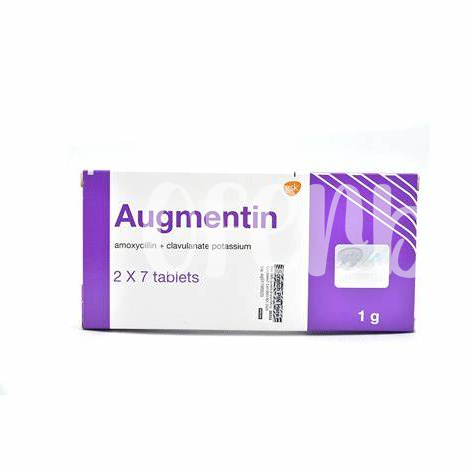
Choosing Augmentin over other antibiotics can often be a defining decision in treating respiratory infections due to its unique formulation. Composed of amoxicillin and clavulanic acid, Augmentin effectively targets a wide range of bacteria by inhibiting cell wall synthesis and counteracting beta-lactamase enzymes that some bacteria produce to fend off antibiotics. Other antibiotics, such as penicillins and cephalosporins, might not offer this dual-action advantage, making it imperative to understand when Augmentin should be preferred.
While comparing, it's important to note that Augmentin's broad-spectrum efficacy can sometimes overshadow antibiotics like azithromycin and clarithromycin, wich are often limited to specific pathogens. Additionally, these competitors might fall short when confronting resistant strains, as they lack the protective mechanism against beta-lactamase. This makes Augmentin a robust choice in challenging bacterial landscapes.
However, considering its strength, Augmentin is not always the go-to option. Physicians might recommend simpler antibiotics for milder infections to reduce the risk of side effects or antibiotic resistance. Furthermore, antibiotics such as doxycycline or azithromycin can be preferable in patients with allergies to penicillin-based medications. Ultimately, understanding the advantages and limitations of Augmentin compared to other antibiotics equips healthcare providers to make informed decisions tailored to patient needs.
Potential Side Effects and How to Manage Them
For some, taking Augmentin may lead to mild side effects like nausea or diarrhea, wich can typically be managed by consuming it with food. More serious reactions, like skin rashes or difficulty breathing, although rare, require immediate medical attention. Understanding how these side effects manifest is crucial for users.
HTML table below outlines common and serious side effects:
| Common Side Effects | Serious Side Effects |
|---|---|
| Nausea | Skin Rash |
| Diarrhea | Breathing Difficulties |
Critically, anyone starting Augmentin should be aware of interactions that could worsen side effects. To manage them effectively, consult healthcare providers promptly.
When to Consider Augmentin for Respiratory Infections
In the complex dance of respiratory infections, knowing when to prescribe Augmentin can be crucial. Physicians often consider it for moderate to severe infections, especially when a bacterial cause is suspected. If conventional treatments fail, if symptoms have persued beyond expected, or in cases where resistance is suspected, Augmentin may be chosen. For patients exhibiting chronic symptoms that refuse to abate, this antibiotic offers a robust solution. Thus, timely intervention with Augmentin is essential to achieving favorable outcomes in treating respiratory ailments.
