
To Buy Tamiflu Online Visit Our Pharmacy ↓
 Tamiflu Resistance: Is the Drug Losing Effectiveness?
How Tamiflu Works — and Why Resistance Matters 🧬
I remember being handed the little orange capsule and feeling hopeful; it blocks a viral enzyme so new flu particles can’t bud free, slowing spread inside the body and shortening illness when given early. Clinicians value it because timely use reduces symptom duration and complications in vulnerable patients.
But viruses mutate. Single amino-acid changes in the target enzyme can let influenza slip past the drug’s grip, meaning treatment can fail and transmissibility may remain. That risk is greater when antivirals are overused or given late, and when surveillance misses emerging resistant strains — a problem that has occured before.
The take-home: stewardship, rapid diagnostics, and vaccination keep this tool effective. Research into next-generation antivirals and combination therapy aims to stay a step ahead, while public-health measures and responsible prescribing preserve benefit for those who need it most, including equitable global access.
Genetic Tricks Viruses Use to Evade Drugs 🧪
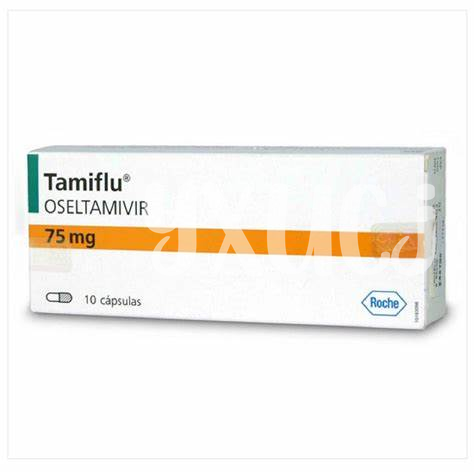
Imagine a microscopic chess game inside your body, where viruses anticipate every move and mutate in response. Rapid copying errors and selective pressure let them test countless variations, and sometimes a single change can make a drug like tamiflu far less effective. Teh result is a shifting landscape that keeps clinicians and scientists on their toes.
Some mutations alter drug targets so antiviral molecules no longer bind; others boost viral enzymes that cut drugs down or hide the target. Reassortment and recombination can combine resistant segments from different strains, creating surprises during epidemics.
Laboratory studies track these mechanisms, but real world fitness matters: some resistant viruses pay cost and fade, others compensate and spread. Understanding these trade offs helps design next generation drugs and stewardship policies to slow resistance and preserve tamiflu for those who benefit. Global vigilance is needed.
Global Surveillance: Tracking Resistance Patterns over Time 🌍
In coastal labs and tiny clinic rooms, scientists piece together change. Sequencing data and patient reports combine to reveal patterns that signal trouble for tamiflu.
Networks of labs share viral genomes, sending alerts when familiar mutations spike. Time-series maps and dashboards turn raw sequences into actionable trends for clinicians and public health officials in real-time.
Interpreting those signals is part art, part modelling; a single resistant case may be noise or the beginning of wider spread. Historical comparisons help distinguish transient flukes from sustained shifts that have occured globally.
Maintaining surveillance demands funding, rapid diagnostics and global cooperation so policies can adapt fast. When monitoring is strong, treatments remain effective and communities are better protected.
Clinical Consequences: Treatment Failures and Patient Risks ⚠️

When antiviral resistance emerges, clinicians face a quiet crisis: patients worsen despite timely treatment. Reports that some influenza strains reduce tamiflu effectiveness have Occured, prompting urgent clinical reevaluation and safety.
Treatment failures can lead to prolonged illness, higher hospitalization rates, and secondary complications like pneumonia. Vulnerable patients, elderly or immunocompromised, may fail to aquire alternative therapies, quickly, significantly increasing morbidity.
Clinicians must monitor response, adjust care, and consider antiviral stewardship. Rapid diagnostics and real time surveillance help, but global coordination is necessary to limit spread, protect patients from avoidable harm.
New Antivirals and Strategies to Beat Resistance 💊
Scientists describe a new chapter where drugs duel with shifting viruses, and clinicians watch carefully as familiar tools like tamiflu face genetic escape. Teh story blends lab breakthroughs with bedside urgency: from combination therapies to host-targeting agents, research seeks treatments that remain effective even as viruses mutate.
Public health strategies combine smarter prescribing, rapid diagnostics, and global surveillance to outpace resistance. Trials of next-gen antivirals, monoclonal antibodies, and broad-spectrum small molecules show promise, but equitable access and sustained funding will be neccessary to turn scientific gains into widespread patient benefits.
Policy Actions: Stewardship, Vaccines, and Preparedness 📈
Clear policy choices can slow resistance: stewardship programs, judicious prescribing, and stockpile rotation should be routine. Leaders must balance immediate need with preserving future efficacy.
Surveillance data should be public, timely, and used to update guidelines and distribution. Ethical frameworks help ensure access while limiting unneeded exposure to antivirals.
Vaccination remains teh first line: stronger uptake reduces circulation and the chance resistance will occured. Investment in vaccine technologies and cold chain improvements pays dividends.
Preparedness must include funding, clinician training, rapid distribution plans, and legal frameworks for emergency use. Global coordination, transparent stockpiles, and sustained research funding make response times shorter and outcomes better to protect high-risk groups globally and equitably. CDC: Antivirals WHO: Influenza
